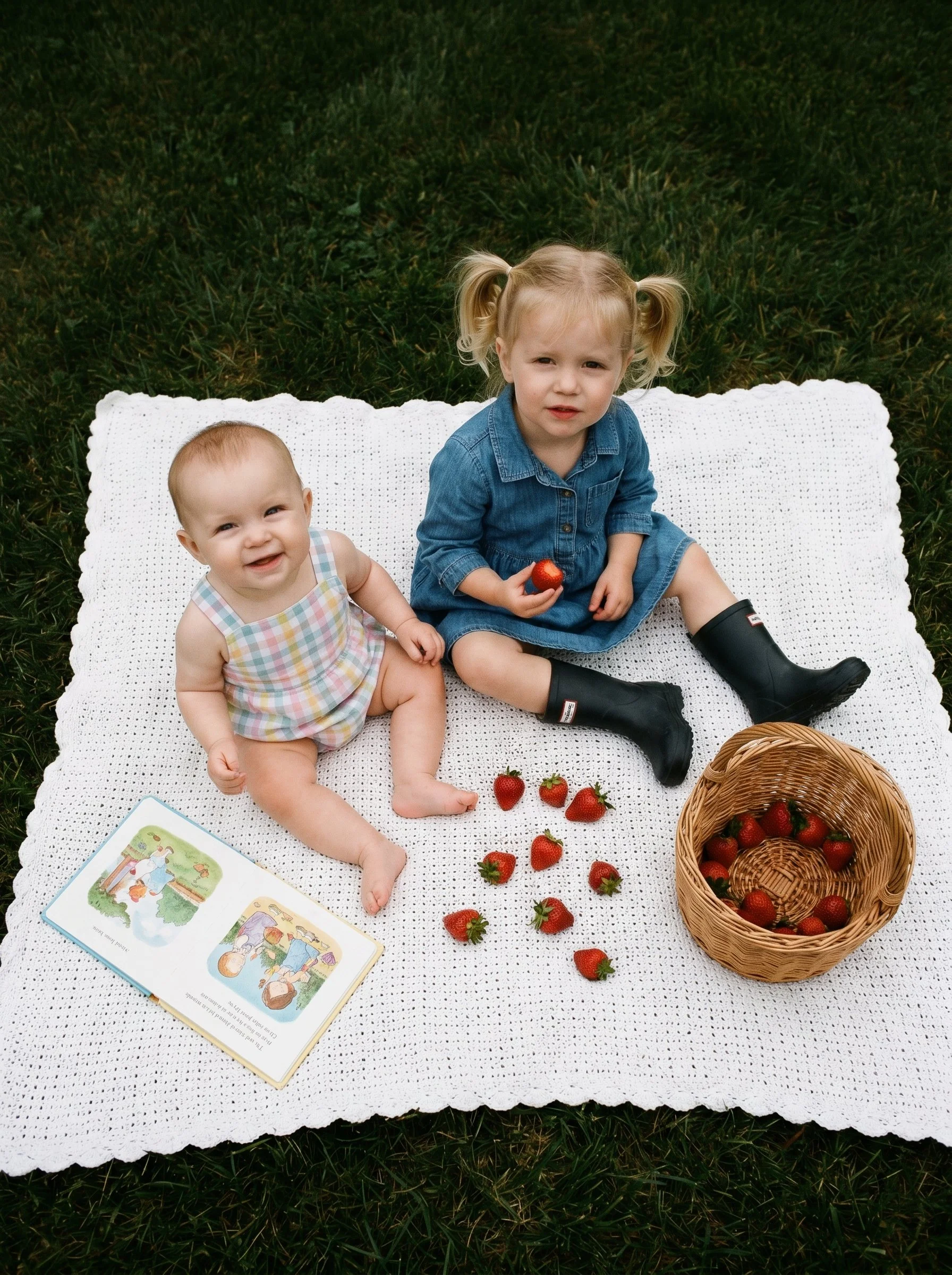
The three fears keeping you away from AI imagery
Every one of them is reasonable. Every one of them is also quietly costing you budget. Here's what's actually true.

Picture the moment. A production estimate for the fall campaign is open on your screen — location, photographer, stylist, prop rental, retouching — and a number at the bottom that makes you want to close the laptop. The content was due yesterday. The budget, as always, belongs to last quarter.
Somewhere in the back of your mind: what about AI? Faster, cheaper, no two-day studio rental. And right behind it, the fear — what if it looks cheap, fake, not us? That fear usually wins. It feels safer to overpay for the familiar than to gamble with the brand.
I get it. I hear some version of it on almost every first call, and I think it's a healthy instinct. So let's take the three objections that stop marketing directors from trying AI imagery, and look honestly at what's behind each one.
Fear №1“It'll look cheap and fake — those plastic faces”
This is the most legitimate fear of the three, and I'd never wave it away. We've all seen the images: waxy skin with no pores, a hand with eight fingers, eyes that look through you instead of at you. The distance between that and a premium brand is a canyon.
But here's the thing — those images are the product of a free generator and a single prompt. Not studio work. Judging AI imagery by them is like judging photography by the first front-camera selfie in bad light.

The difference between “AI-generated content” and a campaign-grade shoot is the same as the difference between a phone snap and a photographer's frame: control over every millimeter. We work in material truth. Skin should have texture, pores, the small imperfections of a real person. Fabric should have weight — linen should fall like linen, not like a pixel. Light should behave like light, wrapping softly around form and leaving an honest shadow.
Good AI imagery isn't the kind people call “realistic.” It's the kind nobody thinks to ask about.
Because behind every frame there's a human reviewing it with an art director's eye — not hitting “generate” and shipping the first result.
Fear №2“We'll lose our brand's face — we'll look like everyone else”
I understand this one all the way down. A premium brand spends years building its identity — the palette, the textures, the mood, that recognizable-in-one-frame quality. Trading it for speed is a bad deal.
And yes, AI imagery has a real trap: it can be alarmingly average. Generic. The sea of sameness where every baby brand looks like the same baby brand and every furniture shot looks like a render from the same catalog.
But that's not a property of the technology. It's a failure of craft. You get average output when you work with the tool in an average way — no brief, no references, no understanding of what actually makes your brand yours.
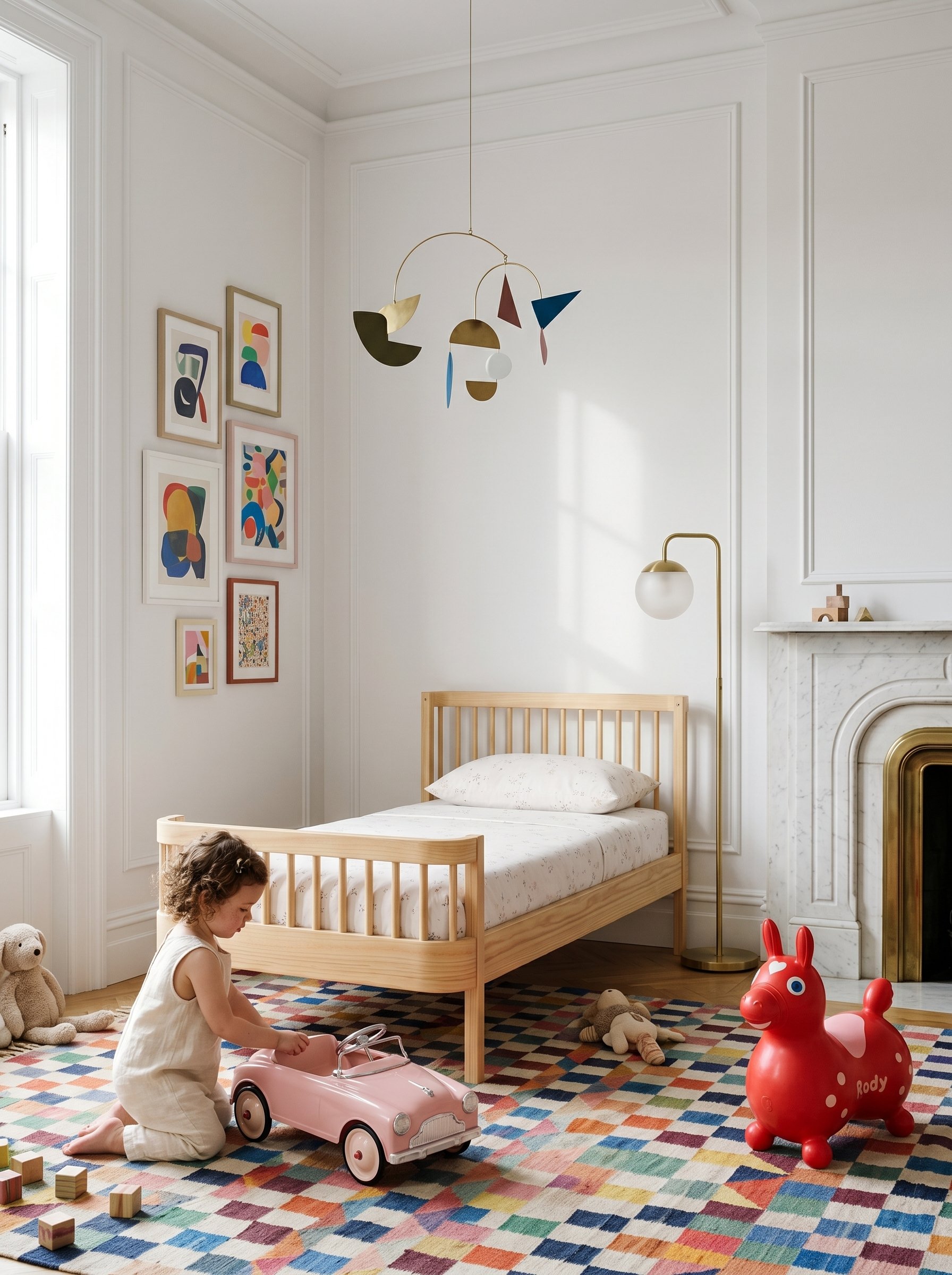
We start from the opposite end. The work is built on your brandbook, your palette, your real products and materials, your visual mood. The shoot is built around your identity, not squeezed into a template. The goal isn't “a nice image” — it's a frame that could only have come from you. Recognizability isn't what we trade for speed. It's the reason we take the project at all.
Fear №3“It's a black box — we won't be able to change anything”
In B2B, the fear of losing control beats every other fear. The campaign is on you, personally, and handing it to a process that “just does its thing” is a hard no.
Good news: it's the opposite. AI imagery is easier to direct than a traditional shoot.
Our process is transparent and broken into clear stages. First a brief, where we lock the task, the mood, and the guardrails. Then concepts, which you see and approve before we move into final rendering. Then revisions. Then final images.
Compare that to a physical shoot. Once the crew has left the set and the model has flown home, any change means a new shoot day, a new invoice, another two weeks. With us, a change is a note. “Cooler light,” “move the child slightly left,” “lose that wrinkle” — and we're back in the work, not rebuilding the production from scratch. That's not less control. It's more — minus the logistics, the weather, and the rental.
Don't take my word for it
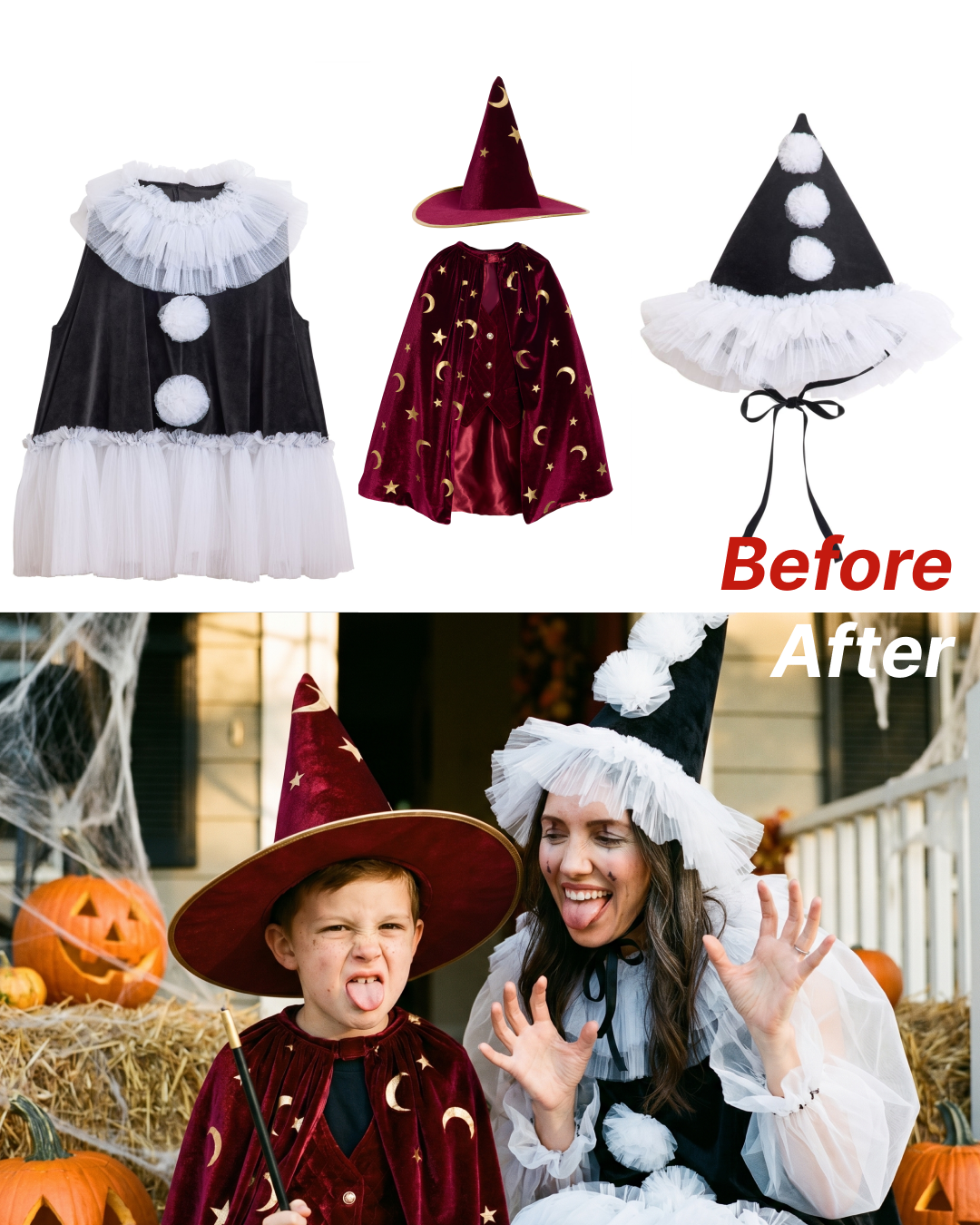
Everything above — the material truth, the skin texture, the weight of the fabric — is easy to check. The best proof of quality isn't a quote in quotation marks. It's a frame you can look at up close.
So instead of promises, a few pieces of work. Watch how light behaves on a child's skin. How linen falls on a crib. How a sofa looks like someone just sat down on it. All of it is AI imagery. If you're not sure where the line is between “real” and generated — the line is working exactly as it should.